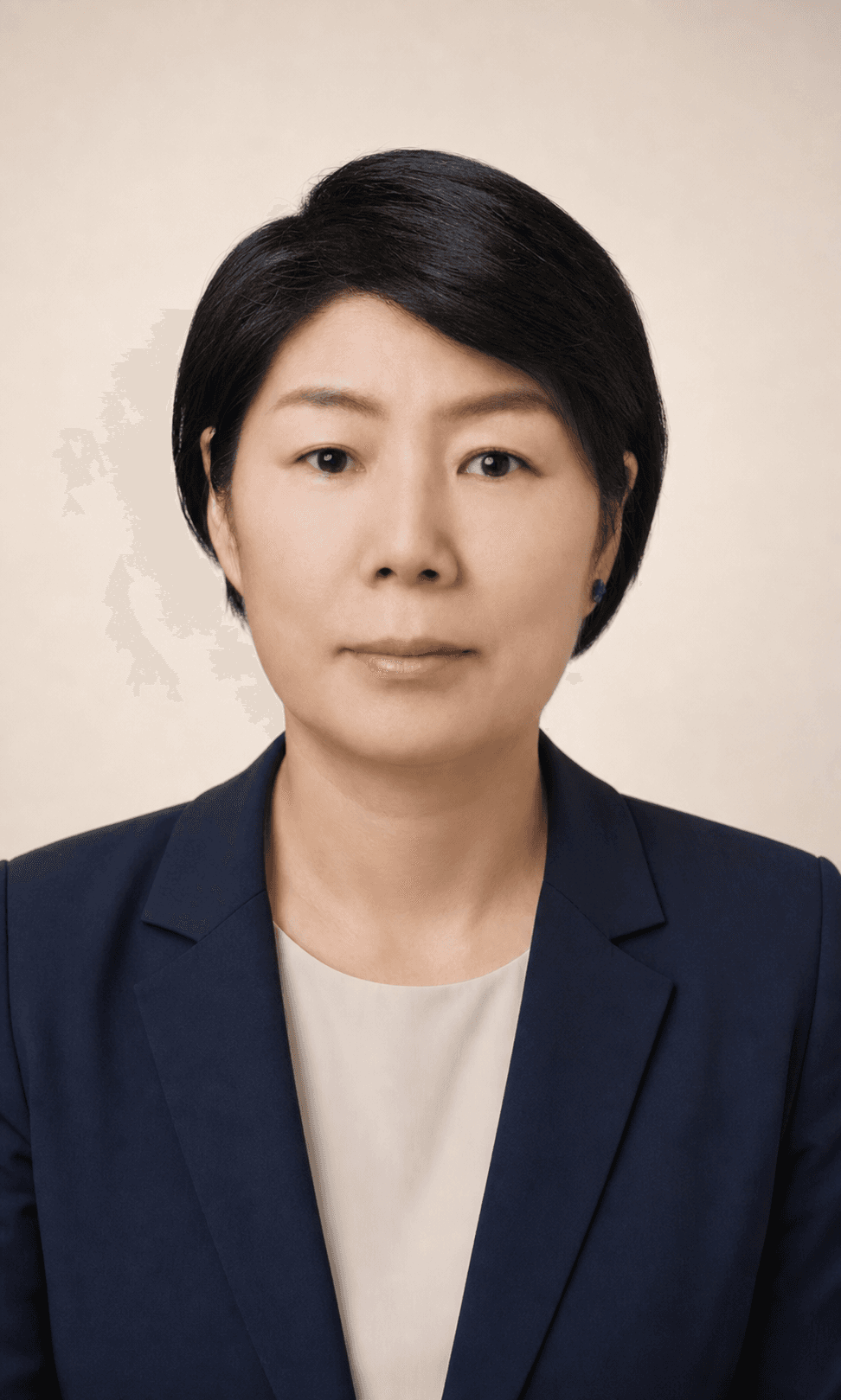
Prenatal and postpartum care
Park Gyeong-ae
- Geumcheon-gu, Seoul
- Better Care
12 years at a postpartum care center and 20 years in the field — a prenatal and postpartum care specialist who has cared for mothers' changing bodies.
Approach
I believe the body does not need to be changed by force; when it is properly loosened, it finds its way back into place on its own. So rather than pressing with force, I first listen to the body—where it is stiff, and what postures and patterns over time have contributed to the discomfort someone feels now. The body goes through the greatest changes of a person's life before and after childbirth, so I make it a principle to assess it warmly, without rushing, and step by step.
About
I have worked in prenatal and postpartum care for more than 20 years. During my 12 years at a postpartum care center, I worked directly with many mothers, observing their bodies and accompanying them as they recovered from the changes brought on by pregnancy and childbirth—including disrupted alignment and the soreness and discomfort that cropped up here and there.
I also care for the bodies of modern people whose lives revolve around computers and smartphones, not just mothers. Care begins by identifying where discomfort originates, whether it is headaches and tension in the neck and shoulders from sitting for long periods or discomfort caused by changes in body shape.
The focus of my care is “relaxation.” I gently ease stiffness to reduce discomfort and, when needed, add lymphatic care to help the body’s flow move more freely. Since 2020, I have run Better Care, providing care tailored to each person’s body.
Career
- 2003 – 2007Director, Gipoom Aesthetic
- 2008 – 2020Maternal care, New Yonsei Postpartum Care Center
- 2020 – PresentDirector, Better Care
Qualifications and training
- Completed the one-year Yakson Myungga training programYakson Myungga · 2004
Specialties
- Prenatal and postpartum care
Recent answers
- Knees & FeetMy knee aches when I go down stairsIt seems there may be a problem with your knee joint. Going downstairs puts more strain on the knees. Try going down at a slight angle. As you do, check which side hurts more and assess how severe the pain is. This could be due to wear of the meniscal cartilage. It would be a good idea to go to the hospital and have your knee checked.
- Knees & FeetMy father has trouble squattingFirst, your knee is bothering you, which is why it’s difficult to bend. Your back is also bothering you, which is why getting up and sitting down is uncomfortable. It would be best to visit a hospital and get it checked.
- Neck & ShouldersMy neck keeps making cracking soundsWhether it is your neck, hand, or shoulder, you may habitually crack it because it feels relieving. But repeatedly cracking your joints can wear them down, and the muscles and nerves supporting the bones may become lax. This can also lead to nerve compression and damage to the cartilage itself. This may not happen right away, but if you keep repeating the movement, at some point it may become a cause of pain. Joint sounds are not a good sign, so pay close attention and check whether you develop pain from pressure or for another reason.
- Neck & ShouldersI have a habit of sleeping with a high pillowAs the old saying goes, “A high pillow shortens your life,” so using a high pillow is not a good habit. Habits are hard to break, and although it may feel uncomfortable, it may be best to gradually change your sleeping habits by alternating between pillows. When you sleep with your head elevated on a high pillow, the front of your cervical spine shortens and the back is pulled, which can cause migraines and even shoulder pain.
- Neck & ShouldersI get a sharp, pinpoint pain in one spot at the back of my neckWhen you have numbness or pain in a specific area like this, it is often a problem with the cervical nerves rather than the muscles. This can happen when a nerve in the neck is compressed or misaligned. Try lying flat with a towel around your neck and lifting your head. It would be good to do 10 repetitions a day. You can also stretch your neck from time to time while you are working; that may help.
- Neck & ShouldersI’m a hairdresser and work with my arms raised all dayWe have a few customers who work in hair salons, too. They often complain of pain in their thumbs, fingers, shoulders, and arms. I think hairdressers often have pain because, when cutting hair, rolling in curlers, and blow-drying, they and their customers are at different heights. Try exercises where you bend your fingers back toward the back of your hand. Put your hand on your shoulder and roll your shoulder. Move your neck to the left, right, forward, and backward; these exercises may help.
- Neck & ShouldersMy shoulder started hurting often after I turned fortyYou’re still young, but it could be what people commonly call frozen shoulder, or your shoulder may be strained from using and moving it a lot. The shoulder and neck are often closely connected, so discomfort could be due to misalignment or compression in the cervical spine. Try feeling around your armpit. If you find a lot of dense, heavy-feeling tissue there, that area could also be the problem. Hold your neck bones and move them forward, backward, and side to side to check your range of motion. Place your hand on the opposite shoulder, then slowly rotate your arm, starting with a small range and gradually making it larger. If you check this way, you may find an area that feels more uncomfortable. Gently rotating one side at a time while placing your hand on the uncomfortable area may also help. If you have a foam roller at home, you can place it under your armpit and lie on your side to help release the area.
- Neck & ShouldersMy shoulders feel heavy by the afternoonIf you work sitting down and keep your head bent forward while continuously doing something, it can strain your cervical spine, causing headaches and affecting your shoulders and the area around your shoulder blades, which can make it difficult to raise your arms. Taking a short break during work to do neck exercises and shoulder rolls may help ease that feeling of heaviness a little.
Experts on BodyRipple share general information about movement and everyday habits. It is not a medical diagnosis or treatment. To ask this expert a question, use the Korean profile.